Mentawai Adventure

Logo Info
Explore Mentawai is run by native Mentawai tour guides. We are not an agency from outside. We are the people who were born, raised, and live in Mentawai. This is our home, our culture, and our identity.
Kontak

085135814829

085135814829

Follow Us

Preserving the Sacred Ink: The Ancient Traditions of the Mentawai People

The indigenous people of the Mentawai Islands, located off the western coast of Sumatra, possess one of the oldest and most profound tattooing cultures in the world....

Preserving the Sacred Ink: The Ancient Traditions of the Mentawai People

The indigenous people of the Mentawai Islands, located off the western coast of Sumatra, possess one of the oldest and most profound tattooing cultures in the world....

Preserving the Sacred Ink: The Ancient Traditions of the Mentawai People

15 Mei 2026
Admin
40x Views
Preserving the Sacred Ink: The Ancient Traditions of the Mentawai People

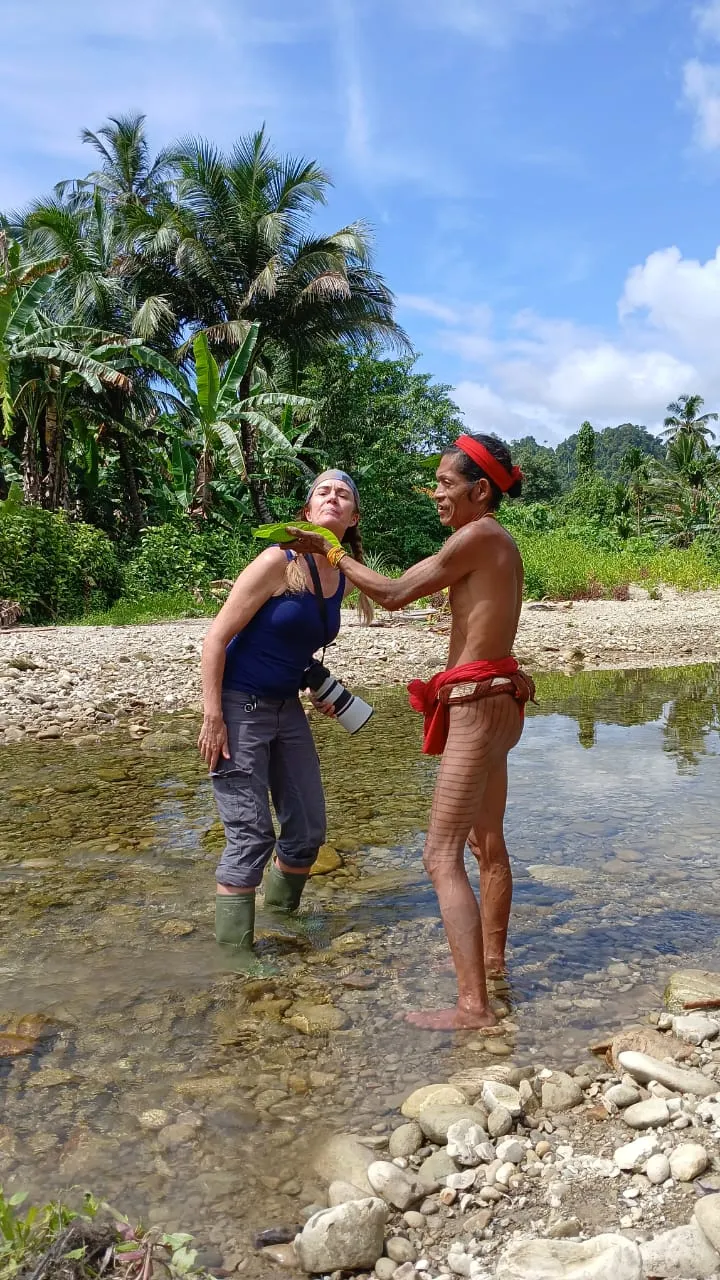
The indigenous people of the Mentawai Islands, located off the western coast of Sumatra, possess one of the oldest and most profound tattooing cultures in the world. For the Mentawai, tattoos—known as Titi—are far more than mere skin decoration; they are a sacred language etched into the body. These intricate patterns, composed of lines and dots, represent a person’s identity, social status, and their connection to the natural world. Under the guidance of the Sikerei (shaman), the process of tattooing is a spiritual rite of passage, believed to "tie" the soul to the body, ensuring that the spirit feels beautiful enough to remain within its human vessel rather than wandering off into the spirit realm.

The art of Mentawai tattooing is a labor-intensive tradition that utilizes natural materials and ancient techniques. The ink is typically made from a mixture of wood soot and sugarcane juice, which is then tapped into the skin using a needle made from a sharpened brass or a palm thorn attached to a wooden stick. Every motif has a specific meaning: curved lines may mimic the flow of a river, while patterns on the chest might represent the structural ribs of the Uma (traditional longhouse) or the feathers of a sacred bird. This "Sacred Ink" serves as a permanent record of an individual's harmony with the forest, a visual testament to a life lived in balance with Arat Sabulungan, their ancestral belief system.

Today, preserving these ancient traditions is a battle against the encroaching forces of globalization and modernization. As younger generations move toward urban centers and formal education, the practice of full-body tattooing has become less common. However, there is a growing movement of cultural revival led by Mentawai youth and elders alike who recognize that to lose their tattoos is to lose their history. By documenting the meanings of the motifs and maintaining the traditional tattooing process, the Mentawai people are ensuring that their sacred ink continues to tell the story of their ancestors, protecting a unique cultural identity that has survived for thousands of years in the heart of the rainforest.

Preserving the Sacred Ink: The Ancient Traditions of the Mentawai People

15 Mei 2026 Admin 40 Views
Preserving the Sacred Ink: The Ancient Traditions of the Mentawai People

The indigenous people of the Mentawai Islands, located off the western coast of Sumatra, possess one of the oldest and most profound tattooing cultures in the world. For the Mentawai, tattoos—known as Titi—are far more than mere skin decoration; they are a sacred language etched into the body. These intricate patterns, composed of lines and dots, represent a person’s identity, social status, and their connection to the natural world. Under the guidance of the Sikerei (shaman), the process of tattooing is a spiritual rite of passage, believed to "tie" the soul to the body, ensuring that the spirit feels beautiful enough to remain within its human vessel rather than wandering off into the spirit realm.

The art of Mentawai tattooing is a labor-intensive tradition that utilizes natural materials and ancient techniques. The ink is typically made from a mixture of wood soot and sugarcane juice, which is then tapped into the skin using a needle made from a sharpened brass or a palm thorn attached to a wooden stick. Every motif has a specific meaning: curved lines may mimic the flow of a river, while patterns on the chest might represent the structural ribs of the Uma (traditional longhouse) or the feathers of a sacred bird. This "Sacred Ink" serves as a permanent record of an individual's harmony with the forest, a visual testament to a life lived in balance with Arat Sabulungan, their ancestral belief system.

Today, preserving these ancient traditions is a battle against the encroaching forces of globalization and modernization. As younger generations move toward urban centers and formal education, the practice of full-body tattooing has become less common. However, there is a growing movement of cultural revival led by Mentawai youth and elders alike who recognize that to lose their tattoos is to lose their history. By documenting the meanings of the motifs and maintaining the traditional tattooing process, the Mentawai people are ensuring that their sacred ink continues to tell the story of their ancestors, protecting a unique cultural identity that has survived for thousands of years in the heart of the rainforest.